Have you ever turned the key in your ignition only to hear nothing but silence? A dead car battery can happen to anyone, at any time, and it’s never convenient. Fortunately, knowing how to jump start a car is a simple skill that can save you time, money, and stress. In this guide, I’ll share a step-by-step process, safety tips, and even a real-life case study from my own experience to make sure you’re fully prepared.
Content
How to Jump Start a Car: Essential Tools You Need
Before you start learning how to jump start a car, make sure you have these essential tools:
Jumper cables (red for positive, black for negative)
A working car with a fully charged battery
Protective gloves and safety glasses (optional but recommended)
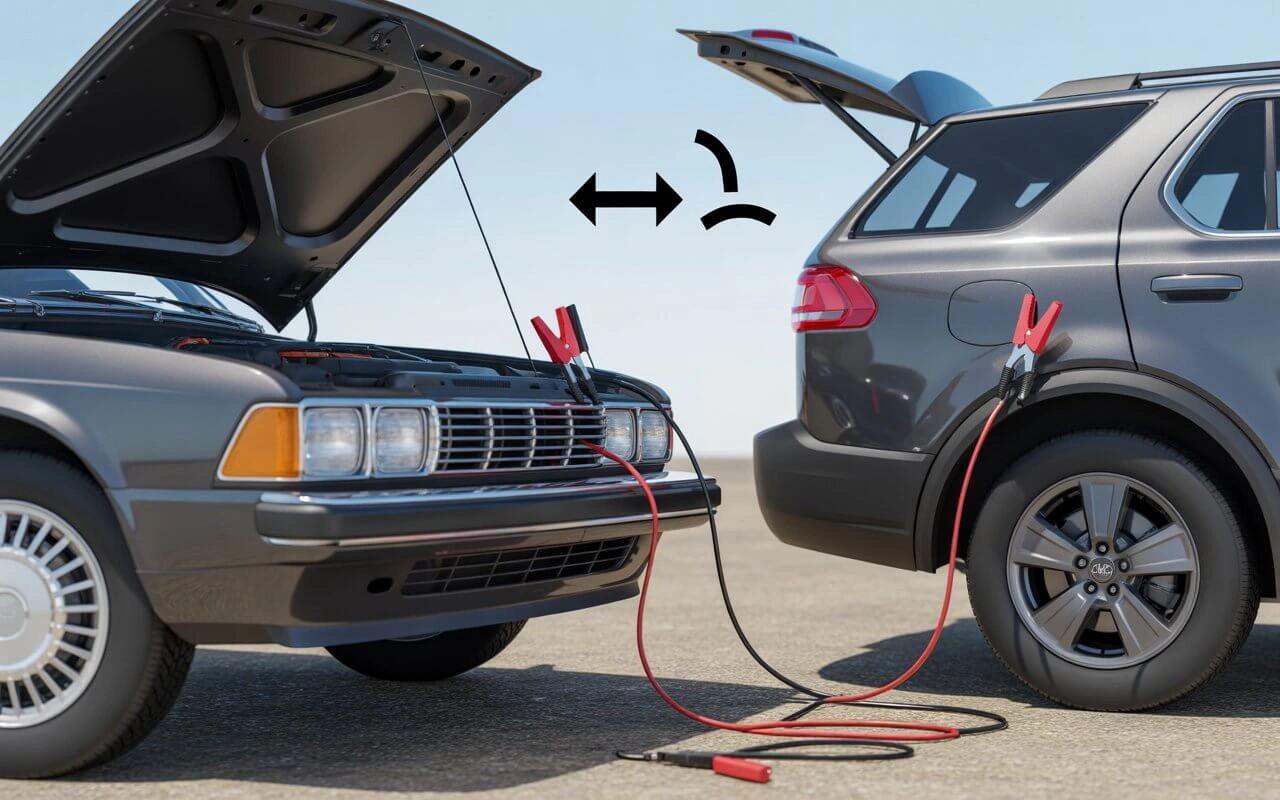
Make sure the cars can be parked close enough for the cables to reach both batteries safely. Using jumper cables to jump start your car is the most common and reliable method for reviving a dead battery.
Step 1: How to Jump Start a Car: Inspect Your Battery First
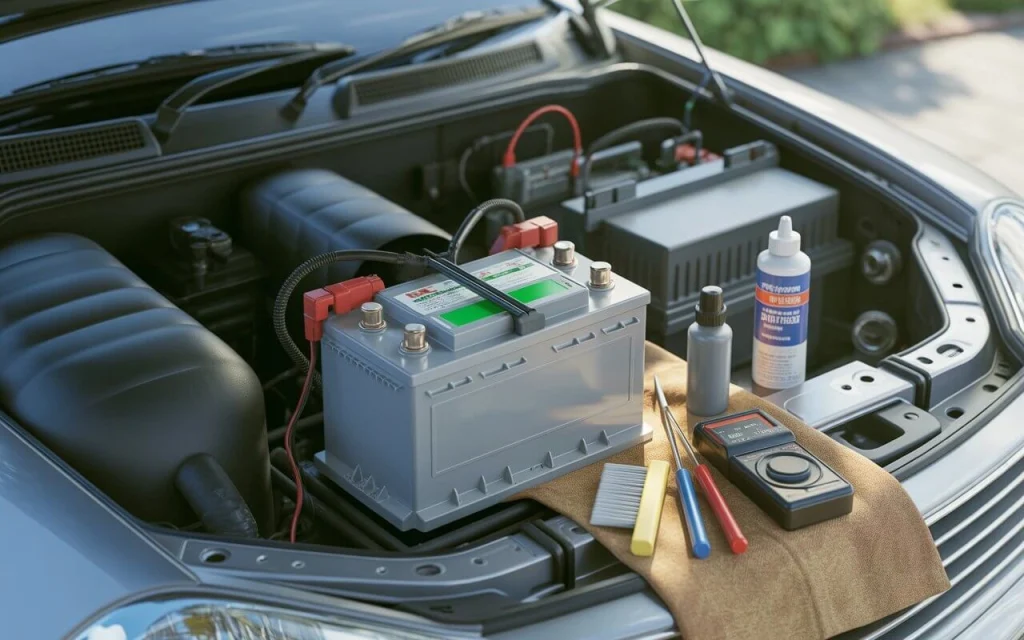
Always begin by inspecting the dead battery. Look for:
Loose or corroded connections
Leaks or damage
Any signs of swelling or cracks
A damaged battery can be dangerous to jump-start. If your battery shows these signs, it may be time to replace it instead of attempting a jump.
Step 2: Position the Vehicles Correctly
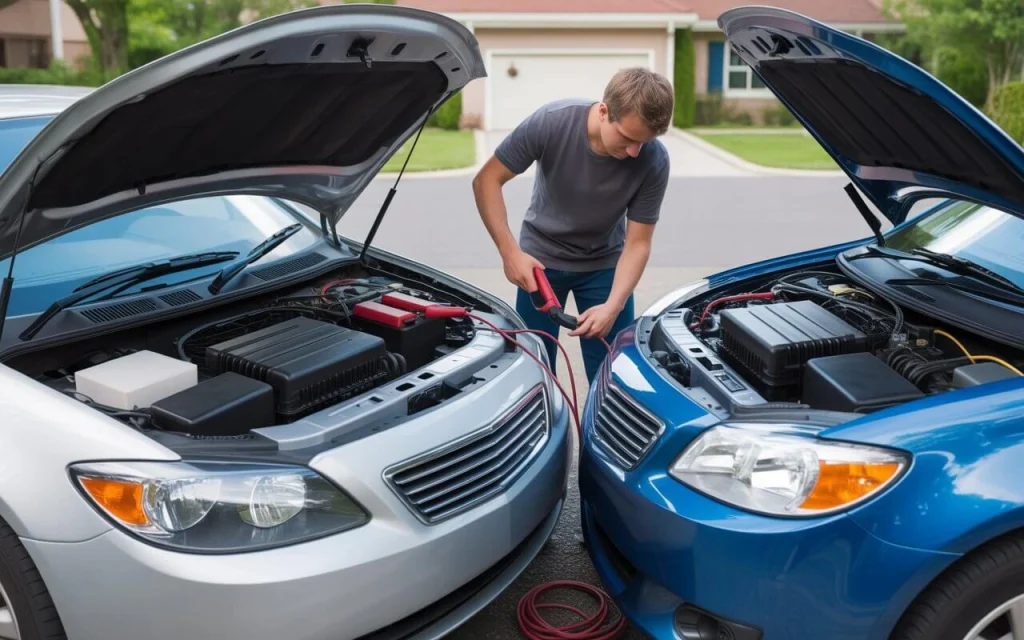
When learning how to jump start a car, park the working vehicle close to yours without letting the two cars touch. Turn off both engines and all electronics, as even minor electrical interference can damage one or both vehicles.
Step 3: Connect the Jumper Cables
Follow this connection order carefully:
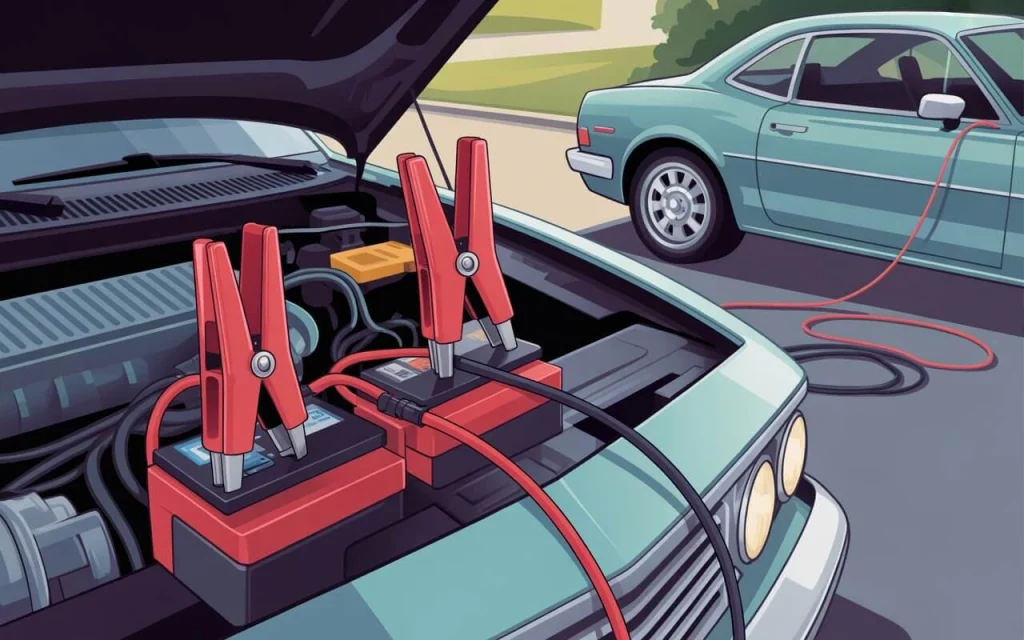
Attach one end of the positive (+) red cable to the dead battery’s positive terminal.
Connect the other end of the positive cable to the working battery’s positive terminal.
Attach one end of the negative (-) black cable to the good battery’s negative terminal.
Connect the final end of the negative cable to an unpainted metal surface on the car with the dead battery — this grounds the electricity safely.
Remember: never let the clamps touch each other while attached to a battery. This can cause sparks or serious damage.
Step 4: Start the Working Car
When learning how to jump start a car, start the engine of the working vehicle and let it run for 15–20 minutes. This lets the alternator charge the dead battery. Avoid using lights, radio, or other electronics during this time.
Step 5: Start Your Car
After the battery has charged for several minutes, try starting your vehicle. If it starts successfully:
Remove the negative cable from your car first, then the other negative cable from the working car.
Remove the positive cable in the same order.
Now your car is back on the road! Drive for at least 20–30 minutes to allow the alternator to recharge the battery fully.
Step 6: If Your Car Doesn’t Start
If your vehicle still won’t start after learning how to jump start a car:
Repeat the jump-start process once more.
Check that all cable connections are secure.
Consider having your battery or alternator inspected by a mechanic.
Sometimes, a battery is too old or drained to recover, and attempting multiple jump starts won’t help.
Safety Tips When Jump Starting Your Car
Safety is paramount when working with car batteries. Keep these tips in mind:
Wear gloves and safety glasses to prevent acid burns or sparks.
Never lean over the battery while connecting cables.
Avoid smoking or using open flames near the battery.
Ensure that cables are in good condition with no frayed wires.
Real-Life Case Study: My Dead Battery Morning
Last winter, I was heading to an important meeting when my car refused to start. My battery died overnight in freezing temperatures. Thanks to knowing how to jump start a car safely, I grabbed my jumper cables, asked a neighbor for help, and had my car running in under 15 minutes. I learned two things that day:
Always carry a set of jumper cables in your car.
Regular battery maintenance — cleaning terminals and checking for corrosion — prevents inconvenient mornings like this.
This experience also reinforced the importance of understanding long-tail queries like “can I jump start a car with another vehicle?”. Many beginners are unsure how to safely complete the process, and real-life experience helps bridge that gap.
How to Jump Start a Car: Troubleshooting Tips When It Won’t Start
Car starts but dies immediately: This could indicate a failing alternator.
Clicking sound but no start: The battery may not have enough charge, or the terminals may be corroded.
No response at all: Check both cars’ engines are off, connections are correct, and cables are intact.
Preventive Measures for Battery Health
Prevention is always better than cure. Here’s how to avoid getting stranded:
Turn off lights and electronics when the engine is not running.
Inspect your battery terminals monthly for corrosion.
Replace batteries that are older than 3–5 years.
Consider using a portable jump starter for emergencies.
By following these steps on how to jump start a car, you not only extend battery life but also gain confidence in handling car emergencies.
Final Thoughts
Knowing how to jump start a car is an essential life skill for every driver. Beyond just the procedure, understanding battery maintenance, safety precautions, and troubleshooting ensures you stay prepared for unexpected situations. Following a regular Car maintenance checklist can also help prevent battery issues before they occur. From practical experience and tips, this guide equips you to handle dead batteries confidently—and helps you avoid costly tow truck calls. With the right knowledge and tools, jump-starting your car becomes not just doable, but stress-free.
FAQs
What is the correct way to jump start a car?
Step-by-step process for safely jump-starting a car.
Can I jumpstart a car by myself?
Yes, using a portable jump starter or a second vehicle safely.
Can I jumpstart a totally dead battery?
Learn how to revive a completely dead car battery.
Does jump-starting hurt my car?
Safe jump-starting won’t damage your car if done properly.
What are common mistakes when jump-starting?
Avoid cable mishandling, touching clamps, and unsafe grounding.
Rita Black a health blogger, but her words have the power to change your life. She is an avid reader and she loves nothing more than curling up with a good book. She always strives for perfection in everything she does, so it’s no surprise that she plans on becoming the next JK Rowling one day!