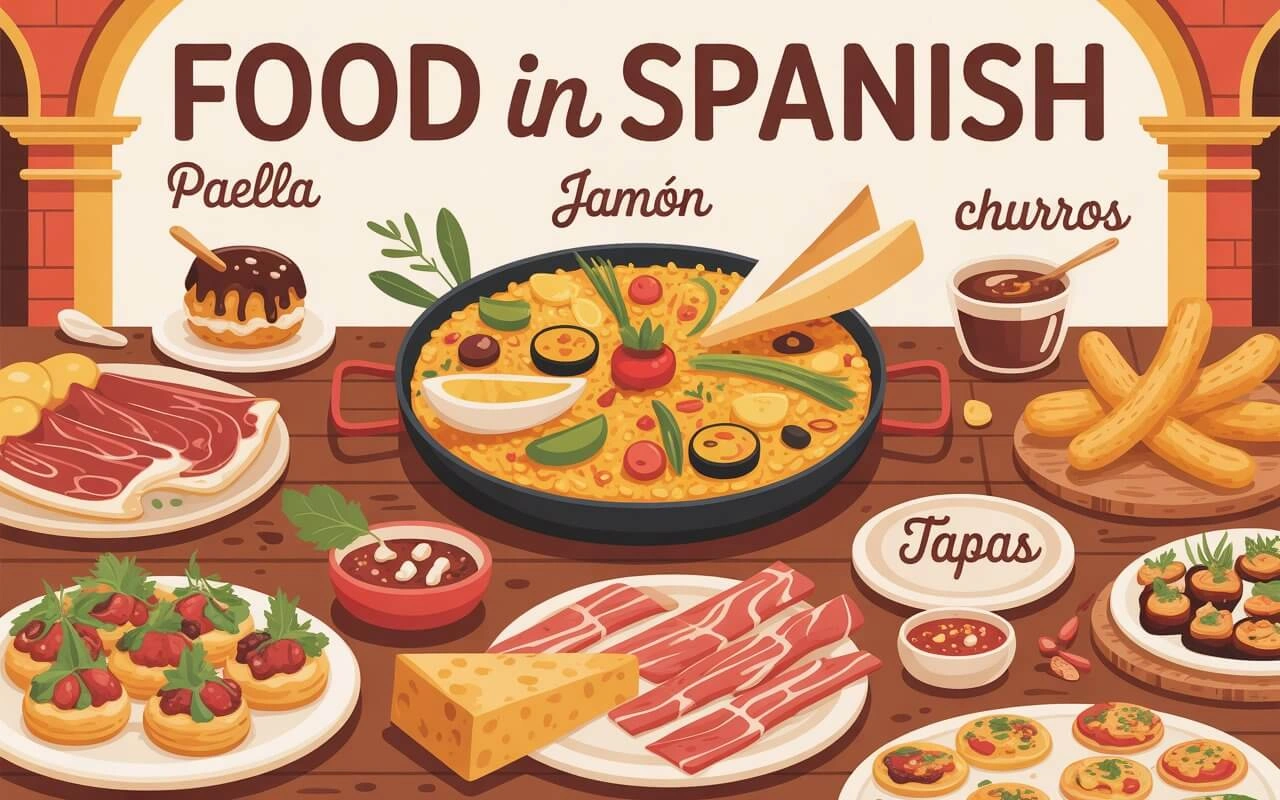
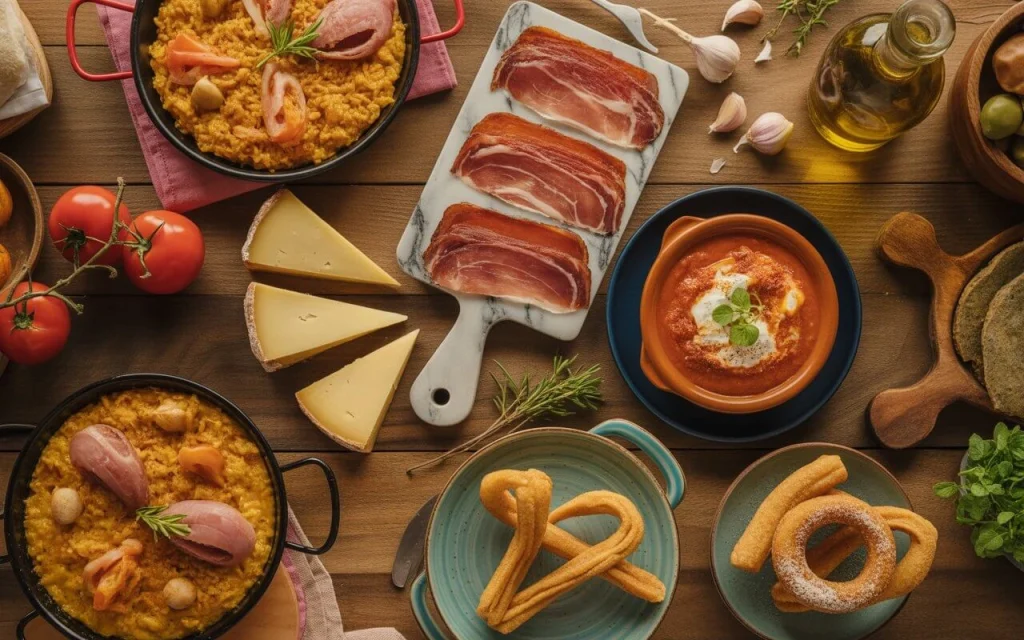
Eating is one of life’s greatest joys, and when you’re learning Spanish, knowing how to talk about food in Spanish can make every dining experience much richer. Whether you’re traveling to Spain, exploring Latin American cuisine, or simply learning the language from home, understanding the right vocabulary and phrases will boost your confidence and enjoyment.
In this guide, I’ll walk you through essential Spanish food vocabulary, practical phrases for restaurants, and even share a real-life case study of how mastering these words helped me and a friend navigate an unfamiliar Spanish restaurant with ease.
Content
Why Learning Food in Spanish Matters
Before diving into phrases, let’s talk about why learning food in Spanish is so helpful:
Practical everyday use: From ordering meals to reading menus, it’s an essential skill.
Cultural immersion: Food is a big part of culture. Using the right terms shows respect and interest.
Confidence in social situations: You can converse naturally with waiters, chefs, and locals.
For example, during my first trip to Madrid, I realized that knowing how to say simple items like pan (bread) or agua (water) completely changed my dining experience. Instead of pointing at the menu awkwardly, I could order like a local. That small confidence boost made the meal much more enjoyable.
Essential Spanish Food Vocabulary
Learning food words in Spanish doesn’t have to be overwhelming. Let’s break it into categories for easier memorization:
Common Spanish Foods
Pan – Bread
Arroz – Rice
Pollo – Chicken
Pescado – Fish
Verduras – Vegetables
Frutas – Fruits
Queso – Cheese
Meal Types
Desayuno – Breakfast
Almuerzo – Lunch
Cena – Dinner
Merienda – Snack
Drinks
Agua – Water
Café – Coffee
Jugo – Juice
Vino – Wine
Using a list of Spanish foods with English translation like this helps you practice before heading out to a restaurant. One tip: try labeling items in your kitchen with sticky notes – it’s a fun and practical way to memorize them.
How to Order Food in Spanish at a Restaurant
Knowing vocabulary is just the start. To truly master food in Spanish, you need practical phrases for real-life dining. Here’s how to navigate the key steps:
Making a Reservation
Quisiera reservar una mesa para dos, por favor. (I would like to reserve a table for two, please.)
¿Tienen disponibilidad para esta noche? (Do you have availability for tonight?)
Greeting the Waiter
¡Hola! Buenas tardes. (Hello! Good afternoon.)
¿Me puede traer el menú, por favor? (Can you bring me the menu, please?)
Ordering Food
Para mí, una ensalada mixta. (For me, a mixed salad.)
Quisiera probar el plato del día. (I would like to try the dish of the day.)
Ordering Drinks
Un vaso de agua, por favor. (A glass of water, please.)
¿Tienen jugos naturales? (Do you have natural juices?)
Asking for the Check
La cuenta, por favor. (The check, please.)
¿Se puede pagar con tarjeta? (Can I pay with a card?)
Cultural Tips and Common Phrases
When learning Spanish cuisine food vocabulary for travelers, it’s helpful to include cultural etiquette:
Bread is usually served automatically in many restaurants – you don’t need to order it.
Tipping is often small, around 5–10% in casual dining.
Regional specialties are different in Spain vs Latin America. For example, tapas are small dishes common in Spain, while empanadas are popular in Latin America.
Adding these insights gives your conversation more depth and helps you sound like a local rather than a tourist.
Real-Life Case Study: Ordering in Seville
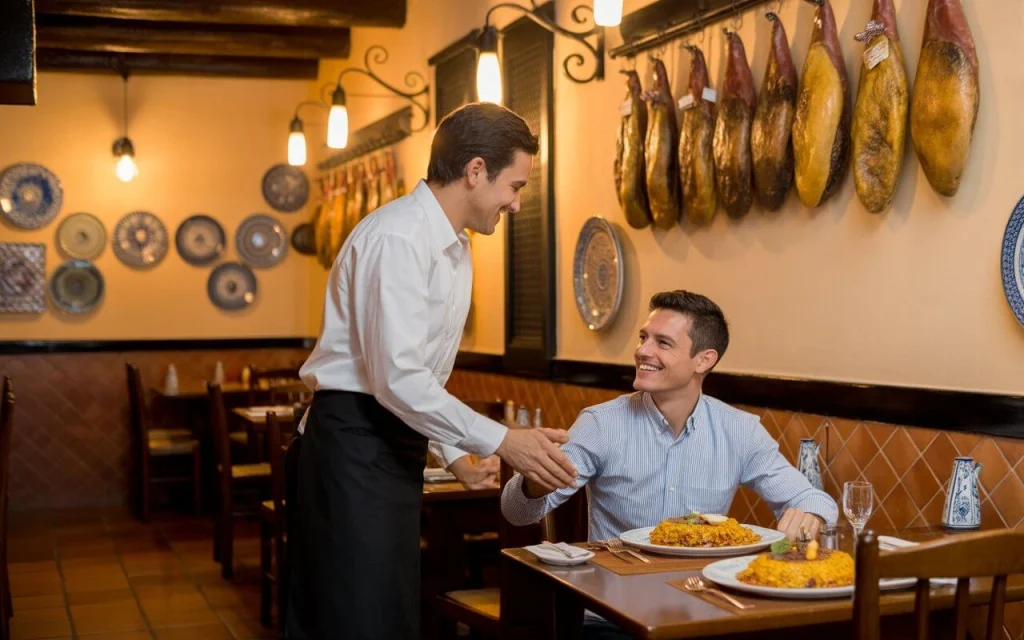
A personal story can really illustrate the value of learning food in Spanish. Last summer, my friend Emma and I traveled to Seville. Neither of us spoke fluent Spanish, but we had prepared by learning common restaurant phrases and how to say food in Spanish.We arrived at a small, family-run tapas bar. The menu was entirely in Spanish. Instead of feeling lost, we confidently greeted the waiter and ordered:
“Quisiera una ración de jamón ibérico y una ensalada mixta, por favor.”
“Para beber, un vaso de agua y un vino tinto de la casa.”
The waiter smiled, impressed with our pronunciation and politeness. Not only did we get exactly what we wanted, but we also ended up chatting about local dishes and getting insider tips on the chef’s special dessert. That meal became one of the highlights of our trip – all because we learned the right words and phrases.
Tips to Remember Spanish Food Vocabulary
Here are some practical ways to make your Spanish food vocabulary stick:
Practice daily: Even 10 minutes a day with flashcards can help.
Label your kitchen: Write Spanish names on food items at home.
Use language apps: Apps like Duolingo or Memrise include food-specific lessons.
Role-play scenarios: Pretend you’re ordering in a restaurant to get used to real conversation.
Listen to native speakers: Podcasts, YouTube videos, or audio menus help improve pronunciation.
Final Thoughts
Learning food in Spanish goes beyond memorizing words—it’s about connecting with culture, people, and experiences. Whether you’re ordering a simple meal at a café or navigating a bustling tapas bar, knowing the right phrases, including how to ask about different types of coffee drink, makes your dining experience smoother, more confident, and far more enjoyable.
Remember: consistency is key. Practice your Spanish food vocabulary, use real-life scenarios, and immerse yourself in the culture whenever possible. You’ll not only learn the language faster but also enjoy a richer, more authentic culinary journey.
FAQs
What is another word for food in Spanish?
Other words for food in Spanish and how to use them in daily conversation.
What is mi comida?
Meaning of ‘mi comida’ in Spanish and how to use it correctly.
Is it el comida or la comida?
La comida’ vs ‘el comida’: Correct way to say food in Spanish.
What are food names in Spanish?
Common Spanish food names and vocabulary for beginners.
Rita Black a health blogger, but her words have the power to change your life. She is an avid reader and she loves nothing more than curling up with a good book. She always strives for perfection in everything she does, so it’s no surprise that she plans on becoming the next JK Rowling one day!