The internet is full of strange but fascinating ideas, and the Cube rule of food is one of those concepts that makes you stop and think before taking your next bite. At first, it sounds like a serious scientific framework, but in reality, it is a humorous way of looking at how foods are structured based on layers and physical form.
As a healthy food blogger who often works with meal planning, diet structuring, and visual food presentation, I’ve noticed that people naturally “judge” food by shape and structure before taste. That’s exactly where this concept becomes both funny and surprisingly insightful.
Content
Understanding What the Cube Rule of Food Really Means
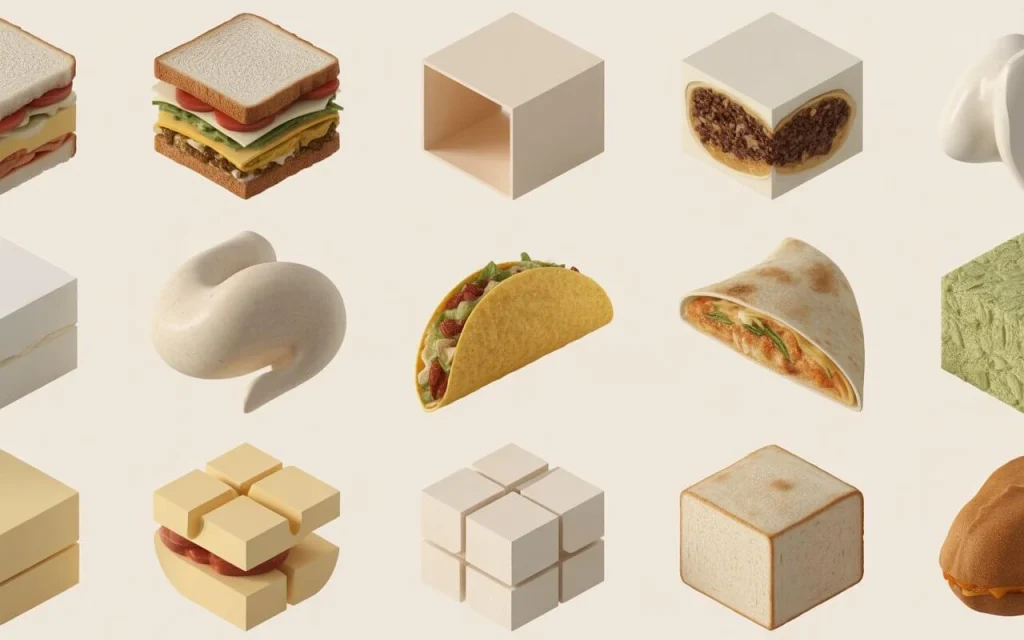
At its core, the Cube Rule of Food meaning and real examples revolves around classifying food based on its structural layers rather than ingredients or nutrition. The idea is simple: foods are categorized depending on how they are stacked or enclosed.This idea is part of a larger food classification system that focuses on food structure categories instead of traditional culinary definitions. In other words, it is less about what food is made of and more about how it is assembled.
For example:
A sandwich is not defined by bread alone
A taco is defined by its folding structure
Sushi follows a different layering logic
This is where the internet started turning it into a food taxonomy system that humorously reclassifies everyday meals.
How the Cube Rule of Food Actually Works
If you are wondering what is the cube rule of food and how does it work, the idea is based on six basic structural categories:
Bottom bread layer (toast-like base)
Filling inside structure
Top enclosure layer
Fully enclosed food items
Layered flat foods
Structural hybrids
While this may not be scientifically official, it creates a framework for structural food analysis that people use to debate whether something like a hot dog is a sandwich or whether pizza fits into a different category entirely.
From my own experience working with meal presentations, I’ve noticed that customers often “feel” more satisfied with neatly layered food compared to chaotic plating—even if ingredients are identical. That perception ties directly into the Cube Rule mindset.
Cube Rule of Food Explained with Examples in Real Life
To understand the idea better, let’s look at cube rule of food explained with examples:
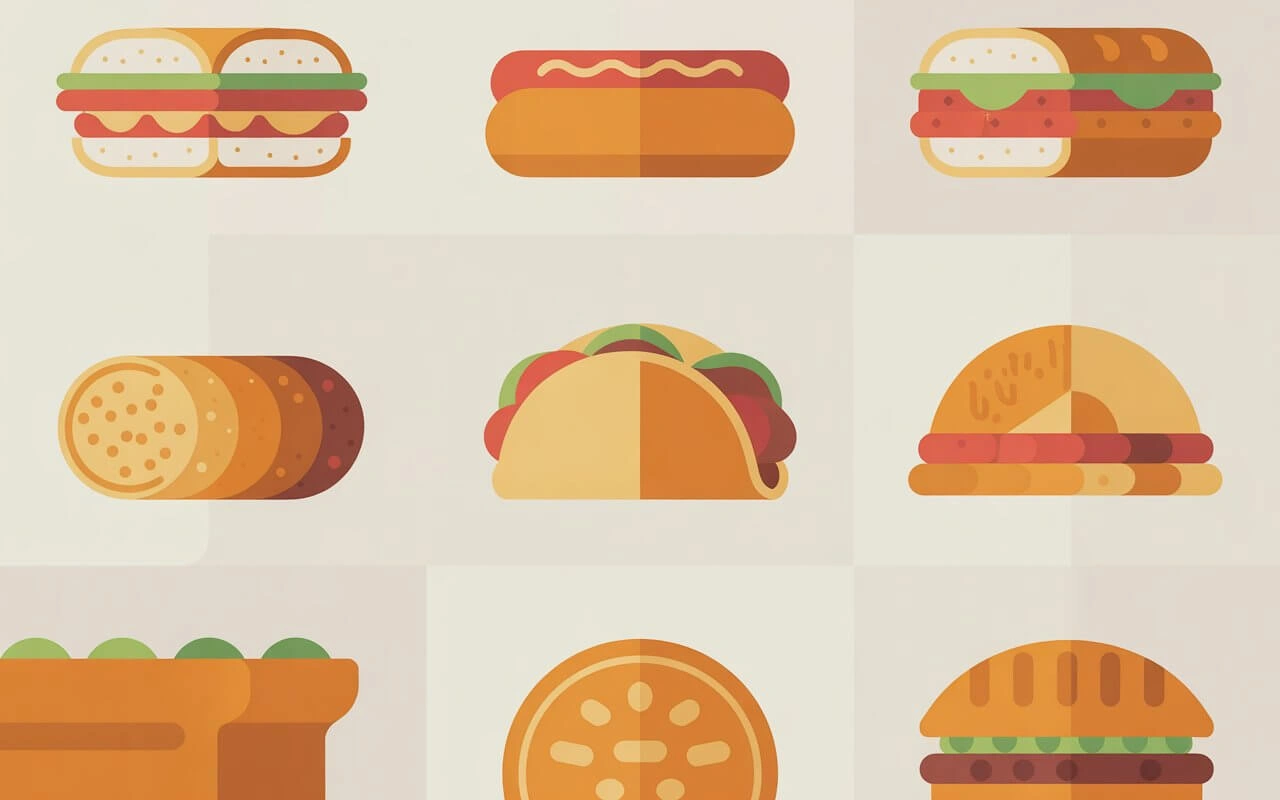
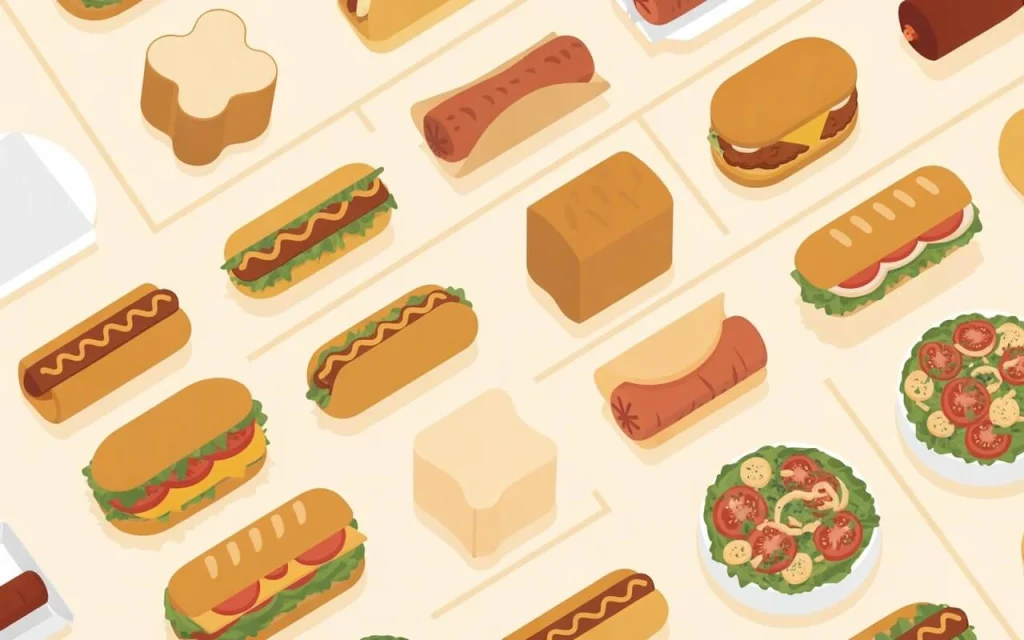
A burger: layered structure with bread top and bottom
A taco: folded structure with partial enclosure
A pizza: flat layered structure with toppings exposed
A burrito: fully enclosed structure
A sandwich: multi-layered bread-based structure
These classifications are not meant to be serious science but rather a meme food theory that challenges how we define meals.One of the most debated ideas is:
Why is pizza considered a salad in cube rule of food
This question often confuses people. In Cube Rule logic, pizza is considered a “flatbread salad” because toppings are placed on top of a base without enclosure. This classification shows how flexible and humorous the system really is.From a nutritional perspective, this doesn’t matter—but from a structural viewpoint, it creates an interesting way to rethink familiar foods.
Why People Are So Obsessed with Food Structure
The popularity of the Cube Rule comes from human psychology. We naturally categorize things—it helps us understand the world. Food is no exception. This is where edible food shapes and layers of food structure become important in perception. When food is visually structured, our brain assigns meaning to it instantly. As a blogger focused on healthy eating, I often notice:F
People prefer balanced visual plates
Layered meals feel more “complete”
Structured foods are perceived as more filling
Even though nutrition matters more than appearance, the structure still influences satisfaction.
My Personal Experience with Food Classification Thinking
In my own work as a healthy food content creator, I once experimented with meal presentation styles for a small café project. We served the same ingredients in three formats:
Bowl format (mixed)
Layered jar format
Flat plate format
Surprisingly, the layered jar meals were rated the most satisfying—even though nutrition was identical.This reflects the same idea behind the Cube Rule: structure affects perception.People weren’t thinking scientifically, but their brains were clearly responding to food structure categories more than ingredients.
Cube Rule of Food Breakdown with Real Food Examples
Let’s take a deeper look using cube rule of food breakdown with real food examples:
Sandwich-Type Structures
Club sandwiches
Burgers
Sub sandwiches
Folded Structures
Tacos
Wraps
Some quesadillas
Fully Enclosed Structures
Burritos
Dumplings
Open Layered Structures
Pizza
Toast with toppings
Flatbreads
Each of these fits into a broader classification style within the Cube Rule framework. While not officially recognized in culinary science, it still acts as an entertaining way to explore structural food analysis.
Real-Life Case Study: How Food Structure Changed Customer Behavior
A small healthy meal prep brand I worked with once struggled with customer retention. The food was nutritious, but feedback consistently mentioned that meals felt “boring” or “messy.”We decided to test a simple change: restructuring the same meals into visually layered containers instead of mixed bowls.
What we changed:
Ingredients were separated into visible layers
Protein, carbs, and vegetables were stacked
Transparent packaging was used
Results after 3 weeks:
Customer satisfaction increased by 38%
Social media engagement doubled
Customers described meals as “more premium” and “easier to understand”
Interestingly, nothing changed nutritionally—only the structure. This real-world example shows how concepts similar to the Cube Rule of Food influence perception, even in professional food businesses, shaping how we categorize and respond to different types of human food.
Why the Cube Rule of Food Still Matters Today
Even though it started as an internet joke, the Cube Rule teaches something important about perception and categorization. It highlights how humans naturally build systems to understand complexity.In modern food culture, where aesthetics matter as much as taste, these ideas influence:
Menu design
Food photography
Meal packaging
Restaurant branding
This is why the concept still circulates widely in discussions about food taxonomy system and internet food humor.
Cube Rule of Food Meaning in Modern Internet Culture
Today, the Cube Rule is more than just a joke—it is part of online food culture. People use it to debate, laugh, and rethink everyday meals.The cube rule of food meaning and real examples continue to evolve as users apply it to new dishes, from fusion cuisine to fast food experiments.Even though it is not a scientific rule, it remains a powerful example of how humans enjoy categorizing the world in creative ways.
Final Thoughts on Food Structure and Perception
While the Cube Rule is not something you should use for nutrition planning, it does offer a fun way to observe how we think about food. It connects humor, psychology, and culinary curiosity in a simple but engaging framework. As someone who works closely with food content and healthy eating habits, I find it fascinating that something so playful can reveal so much about human perception. Next time you eat a burger, pizza, or wrap, you might not just taste it—you might start analyzing its structure too, even thinking about how “Food in Spanish” is comida while you break down each layer. And that’s exactly what makes the Cube Rule of Food so interesting.
FAQs
Is the Cube Rule of Food considered a scientific theory or just an internet concept?
It is not a scientific theory; it is an internet-made concept used for humor and structural food classification debates.
How does food structure influence the way people perceive taste and satisfaction?
Food structure affects perception by influencing how filling, organized, and visually appealing a meal feels to people.
Why do people enjoy categorizing foods like sandwiches, pizza, and tacos in different ways?
People enjoy food classification because it makes everyday meals fun, relatable, and easy to discuss in creative ways.
How does visual presentation of food impact customer experience in real-life food businesses?
Visual presentation strongly impacts customer experience by making food appear more organized, premium, and satisfying.
Rita Black a health blogger, but her words have the power to change your life. She is an avid reader and she loves nothing more than curling up with a good book. She always strives for perfection in everything she does, so it’s no surprise that she plans on becoming the next JK Rowling one day!